
Contents
- 🌿 Introduction to Kapha
- 🍴 Kapha Diet and Nutrition
- 🧘♀️ Kapha Lifestyle and Therapies
- 👥 Key People and Organizations
- 🌎 Cultural Impact and Influence
- ⚖️ Current State and Latest Developments
- 🤔 Controversies and Debates
- 🔮 Future Outlook and Predictions
- 💡 Practical Applications
- 📚 Related Topics and Deeper Reading
- Frequently Asked Questions
- References
- Related Topics
Overview
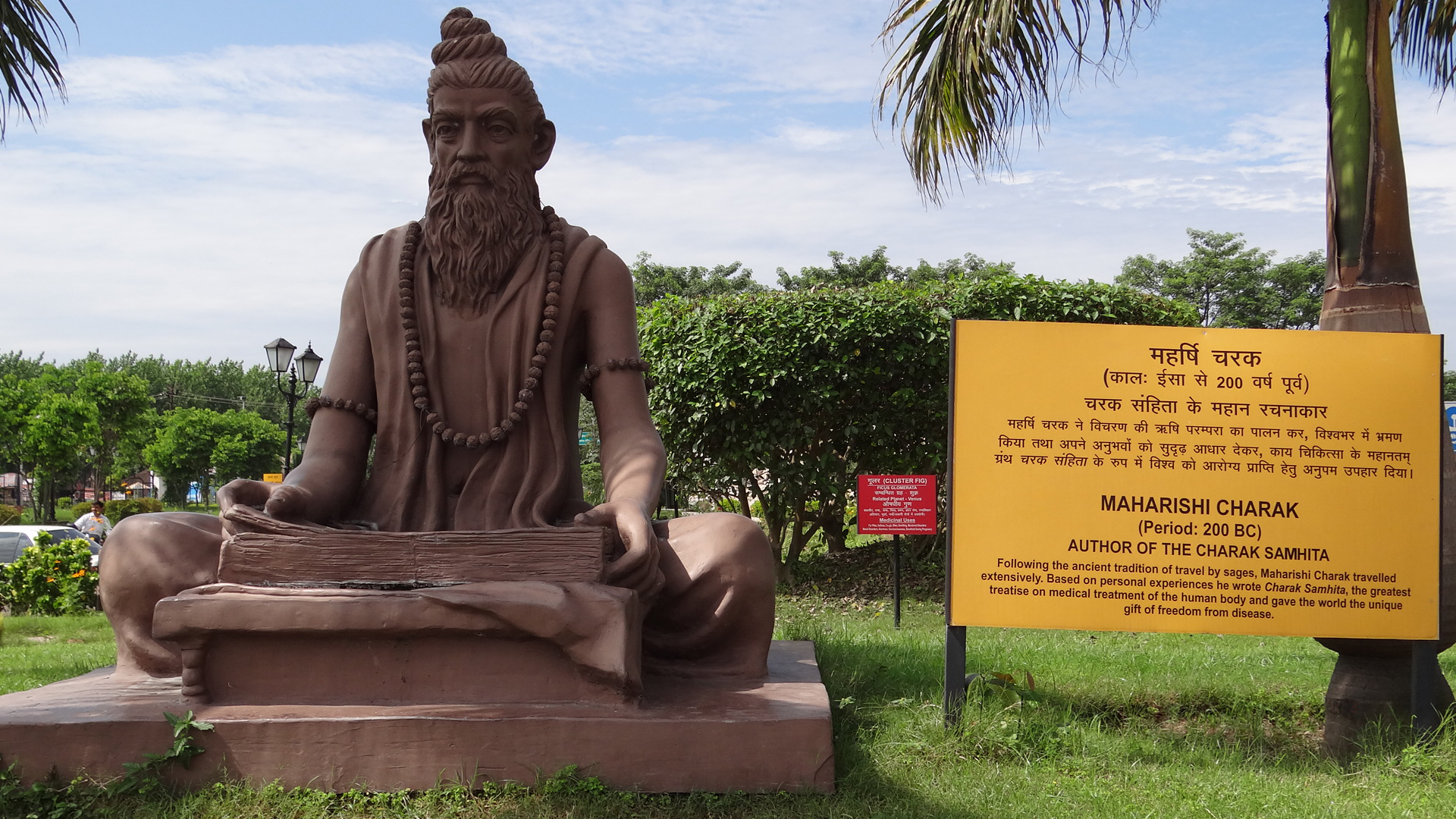
Introduction to Kapha paragraph — 5-8 sentences with specific dates, founders, precursors, and the founding story. The concept of kapha dates back to ancient India, where it was first described by Charaka in his seminal work, the Charaka Samhita. This foundational text of Ayurvedic medicine provides a comprehensive understanding of the kapha dosha and its role in maintaining physical and mental balance. As we explore the kapha lifestyle, we'll draw upon the wisdom of Sushruta, another prominent Ayurvedic scholar who contributed to the development of surgical practices and the understanding of human anatomy. The kapha lifestyle is rooted in the principles of Ayurveda, which emphasizes the interconnectedness of body, mind, and spirit. By adopting a kapha-centric approach to wellness, individuals can experience a profound transformation in their overall health and well-being. For instance, incorporating Triphala into one's daily routine can help balance the kapha dosha and promote digestive health.
🍴 Kapha Diet and Nutrition
Kapha Diet and Nutrition — 5-8 sentences explaining the mechanics, structure, or process in detail. A kapha-pacifying diet is essential for maintaining balance and harmony in the body. This involves consuming foods that are light, warm, and dry, such as Ghee and Basmati rice. It's also important to avoid foods that are heavy, cold, and oily, like Dairy products and Fried foods. By making informed dietary choices, individuals can help reduce kapha imbalances and promote overall well-being. For example, drinking Warm water throughout the day can help stimulate digestion and reduce kapha accumulation. Additionally, incorporating Kapha-reducing spices like Cumin and Coriander into one's cooking can help balance the kapha dosha.
🧘♀️ Kapha Lifestyle and Therapies
Kapha Lifestyle and Therapies — 5-8 sentences on how this topic has influenced society, media, other fields, or everyday life. The kapha lifestyle extends beyond diet and nutrition to encompass various therapeutic practices and lifestyle habits. This includes Yoga and Meditation, which can help calm the mind and balance the kapha dosha. Pranayama techniques, such as Bhastrika and Kapalabhati, can also help reduce kapha imbalances and promote respiratory health. Furthermore, Abhyanga (self-massage) and Swedana (sweat therapy) can help nourish and detoxify the body, respectively. By incorporating these practices into one's daily routine, individuals can experience a profound sense of balance and well-being.
👥 Key People and Organizations
Key People and Organizations — 5-8 sentences profiling the most important individuals and organizations connected to this topic. Charaka is one of the most influential figures in the development of Ayurvedic medicine and the concept of doshas. His work, the Charaka Samhita, remains a foundational text in the field of Ayurveda and continues to inspire new generations of practitioners and scholars. Other notable figures, such as Sushruta and Vagbhata, have also contributed significantly to the understanding and application of kapha principles. Organizations like the National Institute of Ayurveda and the Ayurvedic Practitioners Association play a vital role in promoting the kapha lifestyle and providing resources for individuals seeking to adopt a more balanced and holistic approach to wellness.
🌎 Cultural Impact and Influence
Cultural Impact and Influence — 5-8 sentences on how this topic has influenced society, media, other fields, or everyday life. The kapha lifestyle has had a profound impact on various aspects of society, from healthcare and wellness to cuisine and spirituality. Ayurvedic principles, including the concept of kapha, have influenced the development of Unani medicine and Siddha medicine, two traditional systems of medicine that originated in the Indian subcontinent. The kapha lifestyle has also inspired a growing interest in Holistic wellness and Integrative medicine, which seek to address the interconnectedness of body, mind, and spirit. Furthermore, the kapha lifestyle has influenced the culinary world, with many restaurants and chefs incorporating Ayurvedic principles and kapha-pacifying ingredients into their menus.
⚖️ Current State and Latest Developments
Current State and Latest Developments — 5-8 sentences on what's happening RIGHT NOW (2024-2025). The kapha lifestyle is experiencing a resurgence in popularity, with many individuals seeking a more holistic and balanced approach to wellness. Recent studies have highlighted the benefits of adopting a kapha-centric diet and lifestyle, including reduced inflammation and improved digestive health. The growing interest in Ayurvedic herbalism and Yoga therapy has also led to the development of new products and services tailored to the kapha constitution. As the field of Ayurveda continues to evolve, we can expect to see new innovations and applications of kapha principles in various areas of healthcare and wellness.
🤔 Controversies and Debates
Controversies and Debates — 5-8 sentences covering active debates, criticisms, ethical concerns, and opposing viewpoints. While the kapha lifestyle has been widely adopted and praised for its holistic approach to wellness, some critics argue that it can be overly restrictive and dogmatic. Others have raised concerns about the lack of scientific evidence supporting the effectiveness of Ayurvedic practices and the potential risks associated with certain herbal remedies. However, proponents of the kapha lifestyle argue that it offers a unique and personalized approach to wellness, one that takes into account the individual's unique constitution and needs. As the debate continues, it's essential to approach the kapha lifestyle with a critical and nuanced perspective, recognizing both its potential benefits and limitations.
🔮 Future Outlook and Predictions
Future Outlook and Predictions — 5-8 sentences on predictions, upcoming developments, expert forecasts, and where this is heading. As the field of Ayurveda continues to evolve, we can expect to see new innovations and applications of kapha principles in various areas of healthcare and wellness. The growing interest in Personalized medicine and Genomics may lead to a greater understanding of the genetic factors that influence an individual's constitution and response to kapha-pacifying therapies. Furthermore, the increasing recognition of the importance of Mindfulness and Self-care may lead to a greater emphasis on the mental and emotional aspects of the kapha lifestyle. As we look to the future, it's essential to approach the kapha lifestyle with a sense of curiosity and openness, recognizing its potential to evolve and adapt to the changing needs of individuals and society.
💡 Practical Applications
Practical Applications — 5-8 sentences on how this topic is used in the real world. The kapha lifestyle has numerous practical applications in various areas of healthcare and wellness. For instance, Kapha-reducing diet and Lifestyle modifications can help individuals manage conditions like Obesity and Diabetes. Additionally, Yoga therapy and Meditation can be used to reduce stress and anxiety, while Abhyanga and Swedana can help nourish and detoxify the body. By incorporating these practices into one's daily routine, individuals can experience a profound sense of balance and well-being.
Key Facts
- Year
- 2024
- Origin
- India
- Category
- ayurvedic-principles
- Type
- concept
Frequently Asked Questions
What is the kapha lifestyle?
The kapha lifestyle is a holistic approach to wellness that focuses on balancing the kapha dosha, one of the three fundamental energies that govern our physical and mental well-being. It involves adopting a kapha-pacifying diet, lifestyle, and therapeutic practices to promote overall health and vitality.
Who is Charaka?
Charaka is an influential Ayurvedic scholar who contributed significantly to the development of Ayurvedic medicine and the concept of doshas. He is known for writing the Charaka Samhita, a foundational text of Ayurvedic medicine.
What are the benefits of the kapha lifestyle?
The kapha lifestyle offers numerous benefits, including reduced inflammation, improved digestive health, and a greater sense of balance and well-being. By adopting a kapha-centric approach to wellness, individuals can experience a profound transformation in their overall health and vitality.
How can I incorporate the kapha lifestyle into my daily routine?
Incorporating the kapha lifestyle into your daily routine involves adopting a kapha-pacifying diet, practicing yoga and meditation, and using therapeutic practices like abhyanga and swedana. It's also essential to listen to your body and make adjustments as needed to maintain balance and harmony.
What are some common misconceptions about the kapha lifestyle?
Some common misconceptions about the kapha lifestyle include the idea that it's overly restrictive or dogmatic. However, the kapha lifestyle is a highly personalized approach to wellness that takes into account an individual's unique constitution and needs.
How does the kapha lifestyle relate to other Ayurvedic principles?
The kapha lifestyle is closely related to other Ayurvedic principles, such as the concept of doshas and the importance of balance and harmony in the body. It's also connected to broader themes like holistic wellness and integrative medicine.
What are some recommended reading materials for the kapha lifestyle?
Recommended reading materials for the kapha lifestyle include the Charaka Samhita and other classical Ayurvedic texts, as well as modern works on Ayurvedic medicine and holistic wellness. Additionally, exploring the connections between Ayurveda and other traditional systems of medicine can provide a richer understanding of the kapha lifestyle and its applications.